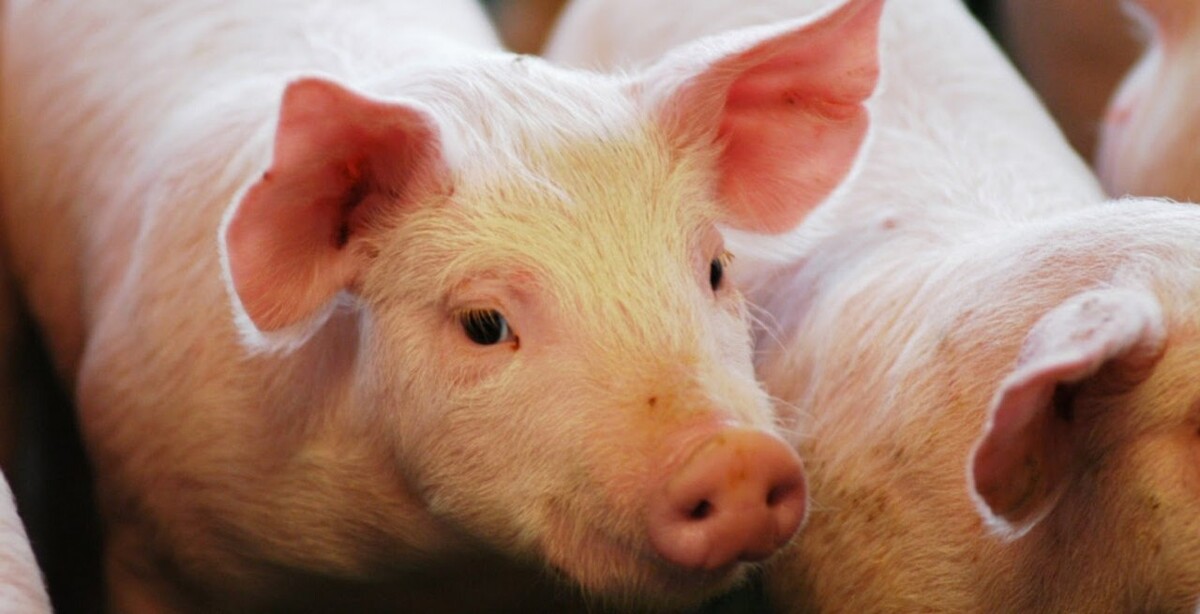
Buenos Aires, March 3 (NA) – Given the positive results of 2025 in the development of the pork sector, the Secretariat of Agriculture, Livestock and Fisheries of the Ministry of the Nation's Economy, along with the Bank of Investment and Foreign Trade (BICE), announced that the product-value credit line for the pork sector has disbursed a substantial sum to support the sector. In this regard, according to the Argentine News Agency, driven by the loan line designed by the national agricultural portfolio together with the Bank of Investment and Foreign Trade (BICE), the product-value credit line for the pork sector has disbursed $13.729 million to strengthen the sector's consolidation. The credits establish quotas in capon kilograms and are consolidated as a financing instrument to strengthen competitiveness. Photo: NA Agency (Secretariat of Agriculture, Livestock and Fisheries). Official communiqué from the Secretariat of Agriculture, Livestock and Fisheries In line with the growth in production and slaughter recorded in 2025, the development of the pork sector was boosted by the loan line designed by the national agricultural portfolio together with BICE. The Secretariat of Agriculture, Livestock and Fisheries of the Ministry of the Nation's Economy, along with the Bank of Investment and Foreign Trade (BICE), informs that the product-value credit line for the pork sector has already disbursed $13.729 million, marking the consolidation of a sustained expansion process at the sectoral level. It is worth noting that these credits establish quotas in capon kilograms and are consolidated as a financing instrument to strengthen the competitiveness of companies in the chain, financing equipment, infrastructure, and genetics. The differential of the tool is that the repayment quotas are set for a specific amount of kilograms of pork and are paid in pesos at the monthly reference value of the capon kilogram. The term is up to 60 months and can be extended up to 84 months, depending on price evolution. The funded projects are concentrated on three strategic axes: installations and infrastructure; increase in sows; environmental management and energy. Likewise, per capita domestic consumption reached 18.9 kg per inhabitant/year, and externally, the chain now has 54 export markets open for both meat and by-products. #AgencyNA. Of the total disbursements, the largest portion was allocated to works and productive infrastructure, followed by initiatives linked to strengthening productive capacity and incorporating technology. The granting was concentrated in the main pig-producing provinces, with Buenos Aires as the main recipient, followed by Córdoba, Santa Fe, and Entre Ríos, strengthening the productive fabric and promoting regional development. These results occur in the context of a 2025 with historical records for the sector, in which 8,517,433 heads were slaughtered—an increase of 2.5% compared to 2024—and production reached 812,272 tons with a year-on-year growth of 3.4%.